
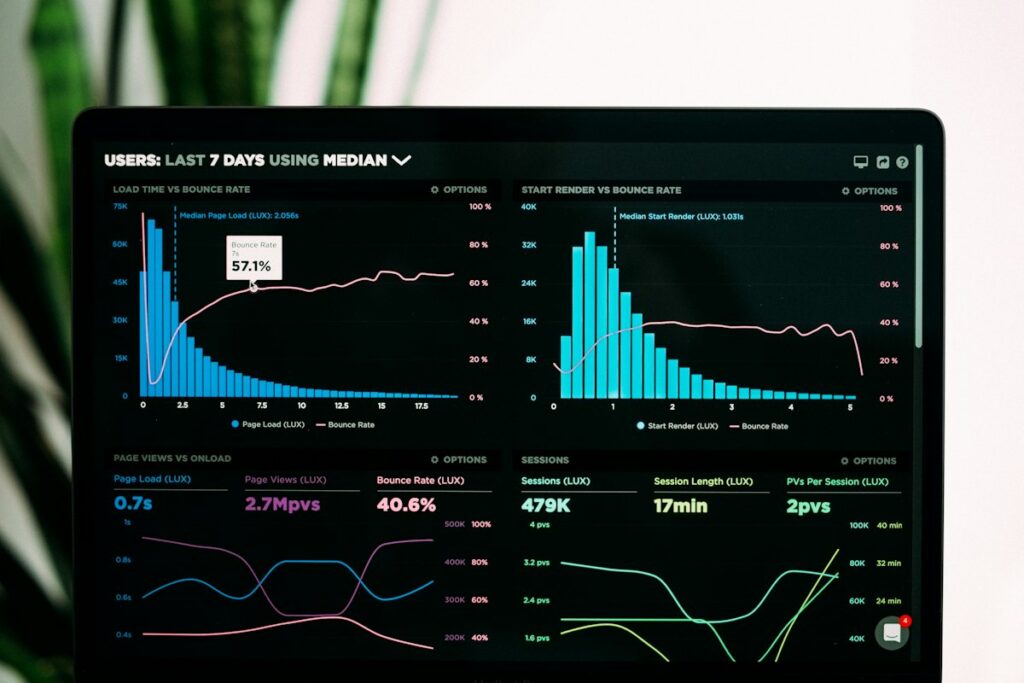
In modern enterprise search engine optimization across the United States, technical architecture is the single dividing line between deterministic revenue growth and complete algorithmic invisibility. As web applications migrate toward dynamic JavaScript frameworks—such as React, Next.js, Nuxt, and Angular—search engine crawlers face extreme computational strain. If Googlebot cannot execute your client-side code, parse your DOM within milliseconds, or navigate your canonical clusters, your content strategy will fail regardless of backlink volume.
At SEO Traffic Hero, we approach organic search from a rigorous software engineering foundation. Having originated as an elite, Top-Rated agency presence on Upwork and expanded into an international 15-person engineering and search headquarters in Islamabad, our team specializes in diagnosing and repairing complex architectural bottlenecks for US and global enterprises. We have engineered proprietary software platforms like TrueToneWriter (enterprise AI detection and humanization) and SEOLinkScan (deep internal crawl architecture analysis). In this 2026 technical guide, we break down what enterprise technical SEO services actually entail, how to resolve hydration failures, and how to protect corporate crawl budgets.
Executive Summary for Engineering Leaders: Technical SEO in 2026 is no longer about XML sitemaps and meta descriptions. It is about server-side rendering (SSR), dynamic edge caching, schema entity disambiguation, and resolving Interaction to Next Paint (INP) bottlenecks to ensure complete indexation across Googlebot and AI retrieval engines.
What Are Enterprise Technical SEO Services?

Enterprise technical SEO services encompass server-side rendering architecture, crawl budget optimization, server log telemetry analysis, structured JSON-LD entity graph deployment, and Core Web Vitals engineering. The primary objective is removing every technical friction point preventing search bots and AI crawlers from discovering, rendering, indexing, and ranking high-value commercial URLs.
Unlike basic on-page copywriting, technical SEO operates at the code and infrastructure layer. It requires collaboration between senior software developers, systems administrators, and search architects to ensure that complex corporate databases, single-page applications, and multi-regional server deployments communicate cleanly with search crawlers.
To learn how our engineering specialists support US corporate accounts with dedicated sprint deliverables, review our specialized SEO Services USA regional hub.
Why Does Client-Side JavaScript Fail in Google Search Indexation?
Client-side JavaScript fails in search indexation because Googlebot operates on a two-phase indexing queue: Phase 1 crawls raw HTML immediately, while Phase 2 defers JavaScript rendering until compute resources become available days or weeks later. If critical page content, contextual internal links, or canonical headers require client-side execution, search bots frequently bypass them entirely or drop them into an indefinite backlog.
In our technical diagnostics across enterprise SaaS platforms and dynamic directories, we routinely identify millions of dollars in lost pipeline caused by client-side routing. When an engineer builds a website using vanilla Single Page Application (SPA) architecture without server pre-rendering, the initial HTTP response is merely a bare container:
<!-- What Googlebot sees in Phase 1 before JavaScript execution -->
<div id="root"></div>
<script src="/static/js/bundle.main.8f921a.js"></script>
Because Googlebot cannot afford to execute millions of complex JavaScript bundles across every domain every second, bots index only the empty container, concluding the page has zero relevant text. Our team resolves this by architecting Edge Dynamic Rendering via Cloudflare Workers or implementing Next.js Server-Side Rendering (SSR), returning fully formed HTML directly to the crawler on first contact.
How Do We Audit Server Logs to Eliminate Crawl Waste?
To eliminate crawl waste, we ingest raw web server access logs (Nginx, Apache, or AWS CloudFront) into specialized telemetry analyzers to evaluate the exact frequency, response codes, and paths taken by Googlebot and Bingbot. Server logs represent the only 100% objective data source of how search bots interact with your infrastructure, unfiltered by third-party approximations.
During an enterprise log audit, our developers examine four critical signals:
- Bot Response Status Code Distribution: Identifying excessive 404 errors, 500 server timeouts, and 301 redirect chains that drain server bandwidth and cause search bots to throttle crawl rates.
- Crawl Waste Ratios: Pinpointing low-value parameter URLs (such as sorting filters, user session tokens, and internal search results) that consume more than 20% of Googlebot’s daily visits.
- Crawl Lag on Fresh Content: Calculating the exact latency between when an enterprise editorial team publishes a new solution page and when Googlebot performs its initial GET request.
- Mobile vs. Desktop Crawl Proportions: Ensuring that Googlebot Smartphone receives identical DOM assets and HTTP response headers as desktop crawlers, eliminating mobile rendering discrepancies.
Our Software Heritage: Elite Engineering from Islamabad to the Globe
SEO Traffic Hero was founded on software craftsmanship. Over the past ten years, our senior leadership operated as an elite Top-Rated agency on Upwork, maintaining a pristine five-star reputation while delivering complex web software, technical search architecture, and data engineering for high-growth enterprises worldwide.
From our dedicated 15-person engineering headquarters in Islamabad, our full-stack engineers, technical SEO consultants, and data analysts build real proprietary software:
- TrueToneWriter (truetonewriter.com): Our state-of-the-art AI content humanization engine that analyzes linguistic entropy, semantic variance, and perplexity to create natural, authoritative editorial assets.
- SEOLinkScan (seolinkscan.com): A high-throughput link crawler built by our team that maps internal link topologies, calculates CheiRank and PageRank distributions, and exposes broken redirect loops.
- Commercial E-Commerce Demonstrators: Live production platforms like airosoeva.com, xpulsewear.com, and kickincustoms.com, where our engineers test cutting-edge Core Web Vitals optimizations before client deployment.
To explore our complete range of technical search, schema engineering, and content architecture capabilities, visit our comprehensive Services Hub.
Frequently Asked Questions: Technical SEO Services
How often should an enterprise conduct a full technical SEO audit?
Enterprise websites undergoing frequent code releases should maintain continuous automated crawl monitoring, complemented by a deep manual architectural audit every six months or immediately following major CMS migrations.
What is the difference between technical SEO and standard on-page SEO?
On-page SEO focuses on user-facing copy, keyword placement, and heading tags. Technical SEO focuses on the underlying infrastructure—server response codes, DOM rendering speeds, Core Web Vitals, Hreflang logic, and schema graphs.
Can technical SEO fixes alone recover lost organic search rankings?
Yes. When rankings drop due to canonical conflicts, JavaScript hydration failures, or crawl budget bottlenecks, resolving those engineering blockers directly restores search engine access, frequently prompting rapid ranking recoveries within weeks.